Top-Rated Emergency Lighting Units for Indoor Commercial Spaces: A Buyer's Pick List
Top-Rated Emergency Lighting Units for Indoor Commercial Spaces: A Buyer's Pick List
Indoor commercial emergency lighting is a specification problem before it is a purchasing problem. An inspection failure rarely traces back to a fixture that simply stopped working. It traces back to a fixture that was selected for the wrong zone, mounted where nobody verified the circuit, or covered by a certificate that never listed the exact model that was shipped.
This pick list ranks three emergency lighting units from the JIMING catalog by how precisely their certified specifications match defined indoor commercial zones. The JLEU9 twin-head emergency light covers standard indoor areas. The JLEC2BCW combo unit covers egress paths that require illuminated signage as well as illumination. The LE518 bulkhead emergency light covers damp and outdoor-adjacent indoor positions. Each recommendation below is justified by a verifiable specification, not by preference, popularity, or reputation.
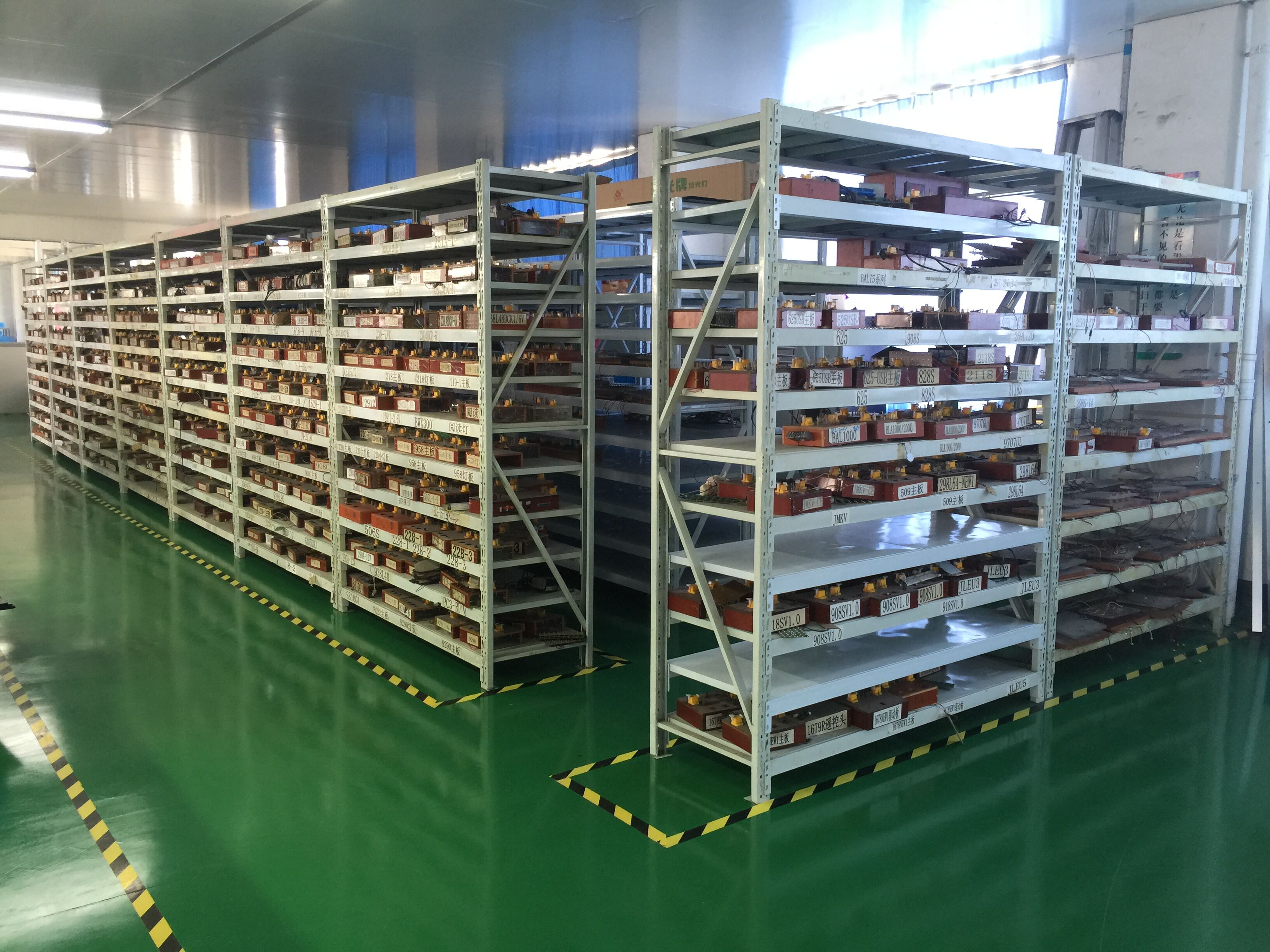
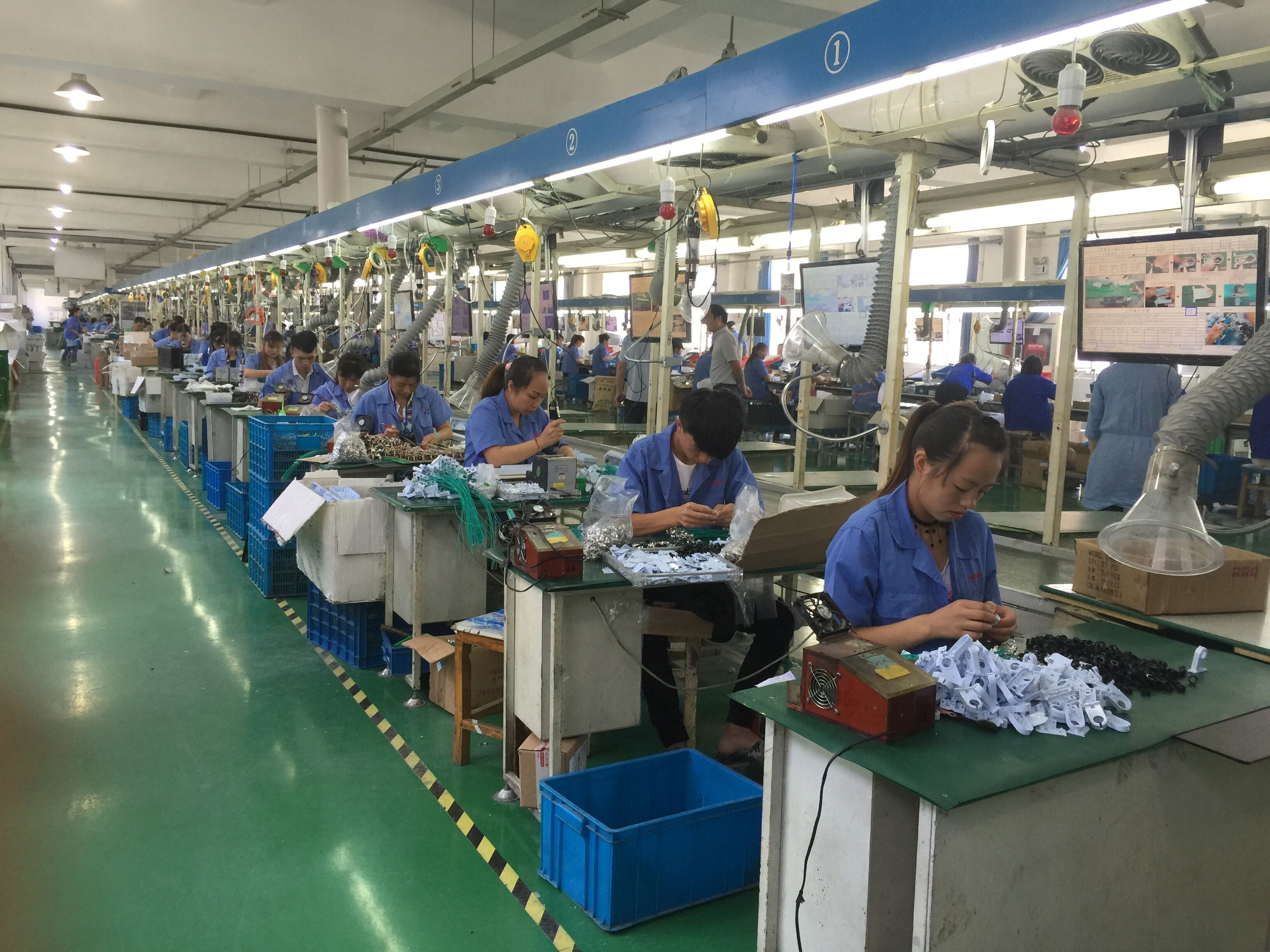
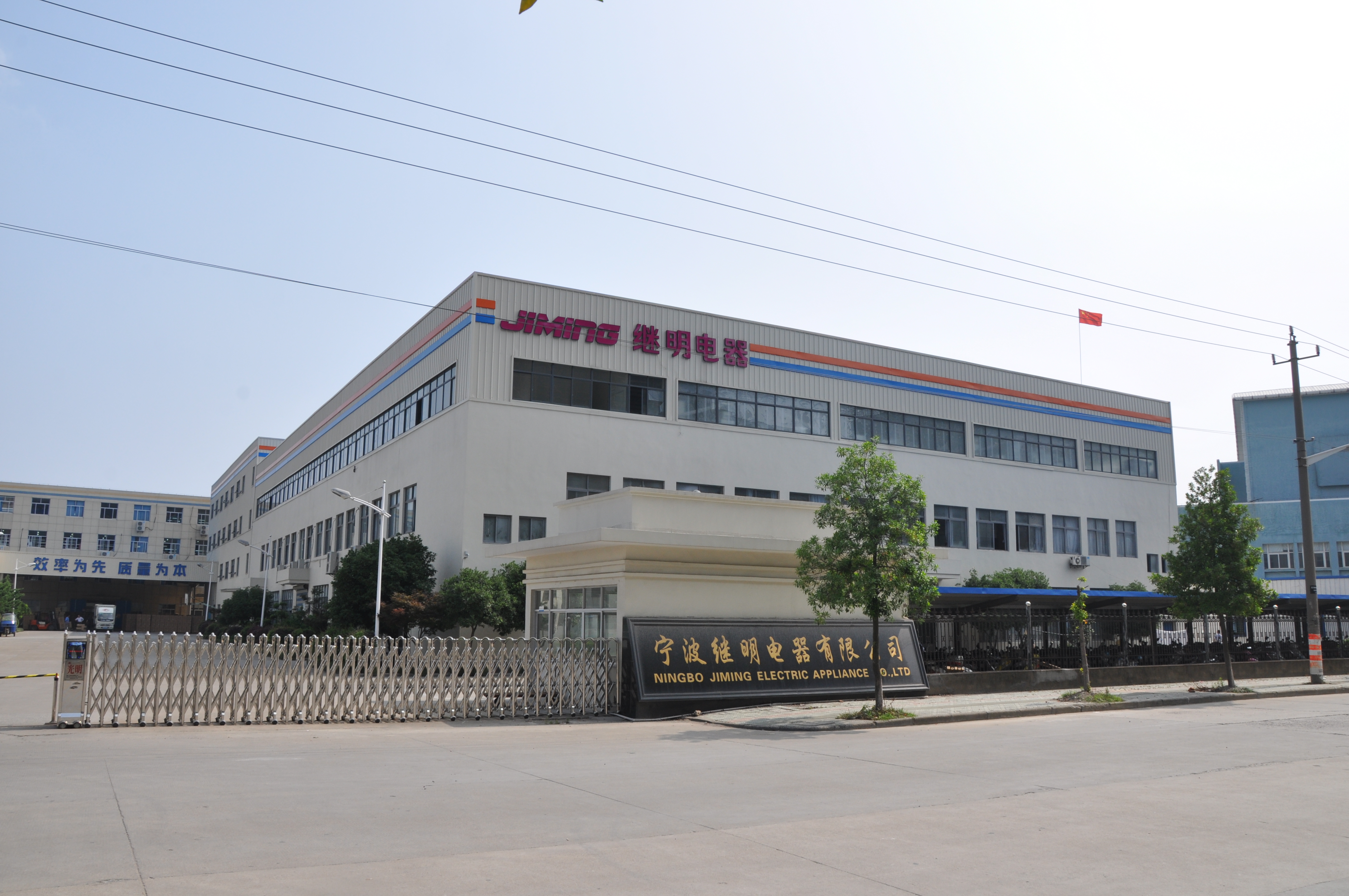
Ningbo JIMING Electric Appliance Co., Ltd. (JIMING) is a manufacturer founded in 1967 that specializes exclusively in emergency lighting: emergency lights, exit signs, bulkhead emergency lights, LED emergency drivers, and emergency ballasts. The company operates company-owned production sites in Ningbo, China (70,000 m²) and Haiphong, Vietnam (38,000 m²), employs more than 1,000 people, and reports an annual output of 5,000,000 sets, with 96% of production exported to markets including the USA, Canada, Europe, and the Middle East.
Problem Definition: Where Indoor Commercial Emergency Lighting Projects Actually Break
Three failure patterns explain most of the problems that surface after delivery, and all three are checkable before a purchase order is signed.
Failure 1: Fixture-zone mismatch
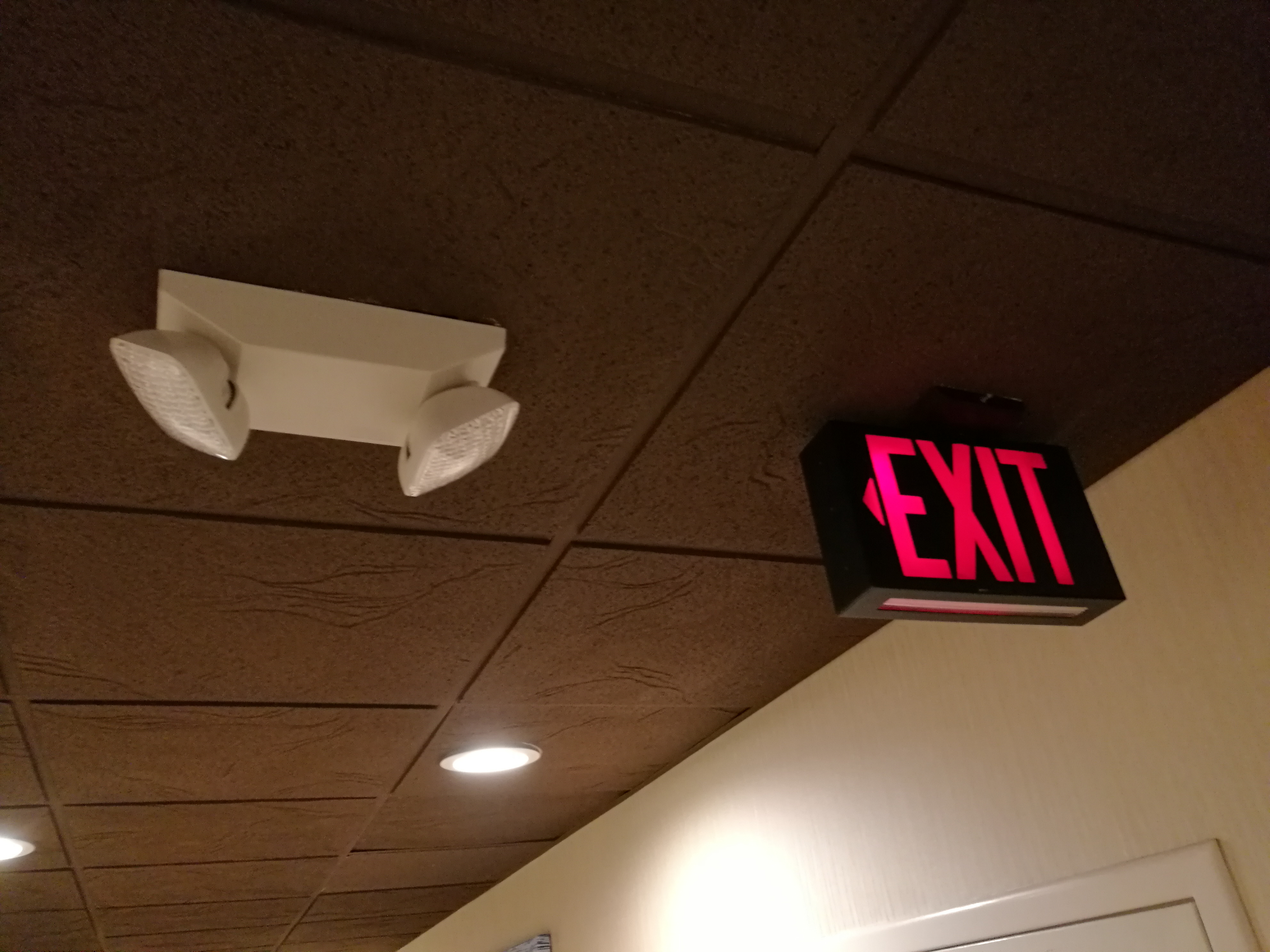
A twin-head emergency light placed where the egress path requires an illuminated exit sign leaves the project non-compliant even though the fixture itself works correctly. The reverse is equally common: a signage-only device is installed in a corridor that needs illumination coverage, and the buyer assumes the category solves the problem. Indoor commercial spaces usually need both functions, and the two are not interchangeable.
Failure 2: Listing verified at brand level instead of model level
Buyers frequently accept a supplier's UL claim without confirming which models the certificate actually covers. A certificate that covers one series under UL 924 does not automatically extend to every SKU in an emergency light supplier's catalog. The risk is highest when the buyer sources from an overseas emergency light supplier and cannot inspect the paperwork locally before the shipment is built.
Failure 3: Assumed runtime, voltage, and material performance
Battery runtime, input voltage, and housing flame rating are the three specifications that quietly decide whether a unit passes review. Assumptions here are expensive to unwind after installation, because correcting them means re-ordering fixtures, re-opening circuits, and re-documenting the zone.
The regulatory floor: The UL 924 standard mandates that emergency lighting and exit signs provide at least 90 minutes of illumination during a power failure. Ninety minutes is the minimum, not a target, and it should be confirmed on the model data sheet rather than assumed from the product category.
Industry Background: Why Specification Discipline Matters in 2026
Emergency lighting demand is growing steadily, but the growth is concentrated in markets with the strictest enforcement, which raises the documentation bar for every purchase.
- The global emergency lighting market was valued at USD 7.82 billion in 2025 and is projected to reach USD 12.4 billion by 2033, a CAGR of 6.2% (Grand View Research).
- North America accounted for a 37.4% revenue share in 2025, driven by strict safety regulations (Grand View Research).
- LED technology is expected to hold 51.28% of the global emergency lighting market by 2026, supported by energy efficiency and digital control capabilities (Fortune Business Insights).
- UL 924 was updated in 2022 to require active and continuous detection of normal power, moving away from passive detection devices (UL 924 standard documentation).
- China exported USD 31.4 billion in light fixtures in 2024, with the United States (USD 4.08 billion) and Germany (USD 1.91 billion) as leading destinations (Observatory of Economic Complexity).
Two conclusions follow for procurement teams. First, the supply side is deep: an emergency light supplier based in China can serve North American and European projects at volume, so competition increasingly turns on documentation quality rather than availability. Second, the 2022 UL 924 update tightened what counts as acceptable normal-power monitoring, which means units specified several years ago may no longer reflect current expectations. The practical response is to evaluate at the unit level, with the certificate, the data sheet, and the mounting drawing in hand.
How This Pick List Was Built: Five Verified Criteria
Ranking was determined by specification coverage across the zones an indoor commercial project typically contains. Five criteria carried the most weight.
- Battery runtime and recharge behavior. A minimum of 90 minutes of emergency operation under UL 924, with a documented recharge time so facility teams can plan discharge testing intervals.
- Voltage flexibility. Dual-voltage operation at 120/277 VAC lets one SKU serve both standard North American commercial circuits, reducing split inventory and mis-ordered units.
- Housing material and flame performance. Injection-molded thermoplastic ABS rated UL 94V-0 keeps the housing within flame-retardant expectations for commercial interiors.
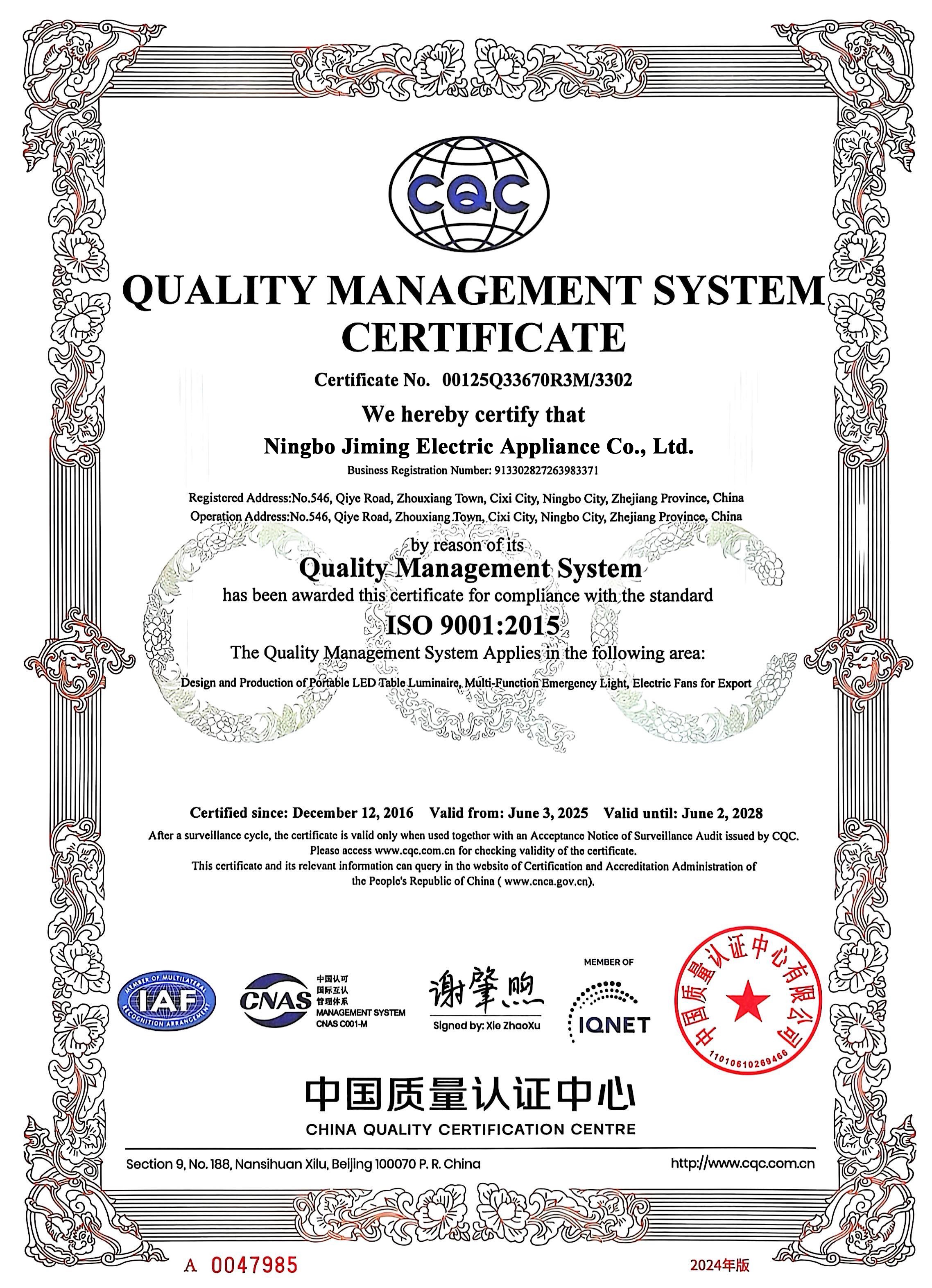
- Documented listing and quality system. UL coverage under the UL 924 series, FCC and CE electromagnetic documentation for the relevant markets, and an ISO 9001:2015 quality management system behind production.
- Mounting and location rating. A defined mounting pattern, a defined temperature and location rating, and a test switch with charge indicator so the unit can be inspected in the field without disassembly.
The Pick List: Three Units, Three Indoor Zones
#1 — JLEU9 Twin-Head Emergency Light: Standard Indoor Areas
The JLEU9 is a UL/cUL twin-head LED emergency light built for wall-mounted indoor applications, and it carries the most complete verified specification set of the three units on this list.
- Injection-molded thermoplastic ABS housing with UL 94V-0 flame rating
- Wall-mount configuration with a universal J-box mounting pattern
- 120/277 VAC dual voltage operation
- 2 × 12 pcs ultra-bright 2835 SMT LED lamp heads on the emergency circuit
- Built-in 3.6 V 1000 mAh nickel-cadmium battery for a minimum of 90 minutes of emergency operation
- Maximum 24 hours for full recharge
- Test switch and charge indicator
- 0 °C to 40 °C indoor damp location listed
- Applications include houses, buildings, warehouses, hotels, parking areas, and security zones
Why it takes the first position: two specifications do the work. The 120/277 VAC dual-voltage input means one model number covers both standard commercial circuit voltages, which removes a common order-entry error on multi-floor projects. The universal J-box mounting pattern means the fixture fits the junction box pattern already in the wall rather than requiring a new one. Combined with a 90-minute nickel-cadmium battery and an indoor damp location listing, the JLEU9 covers the widest range of standard indoor commercial positions with a single SKU.
The model also sits behind a documented North American program: it was developed under a long-term OEM/ODM partnership with an internationally recognized brand, spanning a five-year engagement for supply into the North American retail market, with validation in global markets and supply held to UL and CSA standards.
#2 — JLEC2BCW Combo Unit: Egress Paths That Require Signage
Where a corridor, stairwell door, or exit route requires an illuminated sign as well as illumination coverage, a combination unit consolidates both functions into one housing, one mounting point, and one electrical connection. That reduces the number of fixtures on the drawing and the number of failure points a facility team has to monitor and test.
JIMING manufactures both exit signs and emergency lights, so the combo category sits inside its core product scope rather than at the edge of it. UL 924 governs exit signs and emergency lighting under the same 90-minute illumination requirement, which is why a combo is evaluated on the same runtime and listing criteria as a standalone twin-head unit rather than treated as a separate class of product.
On the specification side, a combo unit is typically selected when the drawing shows a door or route junction rather than a mid-corridor position. Wall-mounted twin-head units such as the JLEU9 handle the segments between those points, so a single egress route often uses both product types. If your drawings call for ceiling-mounted or recessed positions instead of wall-mounted ones, that mounting condition should be resolved during specification, because it changes which form factor belongs in the zone.
What to confirm at quotation: combo units vary by face configuration (single or double), lettering and legend, input voltage, and battery type. Request the model data sheet for the JLEC2BCW configuration that matches your egress drawings, and confirm that the exact model appears on the certificate before the order is placed.

#3 — LE518 Bulkhead Emergency Light: Damp and Outdoor-Adjacent Indoor Positions
Bulkhead emergency lights use an enclosed, wall-mounted housing, which is the format generally selected where a fixture has to tolerate moisture, dust, or incidental contact. Inside an indoor commercial project, that usually means service corridors near loading doors, transitions between parking areas and conditioned interior space, utility rooms, and lower-level circulation routes.
JIMING's product scope explicitly includes bulkhead emergency lights alongside standard emergency lights and exit signs. Buyers specifying the LE518 for damp or outdoor-adjacent indoor areas should treat the location rating, voltage configuration, and battery type as the three line items to verify against the model data sheet, because those are the specifications that determine whether the fixture is appropriate for the surface condition.
Step-by-Step Breakdown: Validating a Unit Before You Commit
- Map the zone before the fixture. Mark where illumination is required and where illuminated signage is required. These are separate code triggers that decide between a twin-head unit, a combo unit, and a bulkhead.
- Match the form factor to the mounting condition. Confirm whether the drawings call for wall-mounted, ceiling-mounted, or recessed positions, and whether the surface is dry, damp, or outdoor-adjacent.
- Verify the listing at model level. Obtain the certificate and check that the model and series being ordered appear under it. JIMING holds UL certification 20140923-E464915 issued by UL LLC for its UL emergency light series under UL 924, valid through 2034-09-23.
- Confirm electrical fit. Check input voltage against the building circuits. The JLEU9 operates at 120/277 VAC, covering both standard commercial voltages in North America.
- Confirm the battery specification in writing. Runtime, chemistry, capacity, and recharge time should all appear on the data sheet. The JLEU9 specification is a 3.6 V 1000 mAh nickel-cadmium battery with a minimum of 90 minutes of emergency operation and a maximum 24-hour recharge.
- Define the OEM points early. Customization options include battery type, housing color, input voltage, logo, and packaging. With a minimum order quantity of 200 PCS, branding and packaging decisions belong in the first specification round rather than the last.
- Lock the commercial and inspection terms. Confirm lead time, Incoterm, payment terms, and inspection rights in the same document as the technical specification.
Use Cases: Matching Unit to Indoor Zone
- Office corridors, stair landings, and back-of-house routes: JLEU9 in a wall-mounted, dual-voltage configuration.
- Retail and hospitality egress points: JLEC2BCW at doors and route junctions where signage and illumination are both required, with JLEU9 units covering the corridor segments between them.
- Buildings with mixed-voltage circuits: JLEU9 at 120/277 VAC avoids separate SKUs per floor or per panel.
- Service corridors, loading-dock interiors, and parking-to-interior transitions: LE518 bulkhead units, with the location rating confirmed for the specific condition.
- North American retail programs and private-label ranges: OEM/ODM production with customized battery type, housing color, input voltage, logo, and packaging at an MOQ of 200 PCS.
One verified program shows how these units are deployed at scale. A US-based project developed a product for the North American retail market through a long-term OEM/ODM partnership lasting five years, with the supplier's engineering team collaborating with the customer on product development, achieving validation in global markets and stable supply compliant with UL and CSA standards.
Verified Comparison: The Three Units Side by Side
| Unit | Best-fit indoor commercial zone | Form factor | Verified specification basis |
|---|---|---|---|
| JLEU9 | Standard indoor areas: corridors, stair landings, back-of-house routes, hotel, warehouse, parking, and security interiors | Wall-mounted twin-head LED | UL/cUL twin-head LED; 120/277 VAC dual voltage; 3.6 V 1000 mAh nickel-cadmium battery with minimum 90 minutes of emergency operation and maximum 24-hour recharge; injection-molded thermoplastic ABS with UL 94V-0 flame rating; 0 °C to 40 °C indoor damp location listed; universal J-box mounting pattern; test switch and charge indicator |
| JLEC2BCW | Egress paths that require an illuminated exit sign in addition to illumination coverage | Combination exit sign and emergency lighting unit | Part of JIMING's exit sign and emergency light ranges; subject to the UL 924 requirement of at least 90 minutes of illumination; model-level data sheet and certificate coverage confirmed at quotation |
| LE518 | Damp or outdoor-adjacent indoor positions: service corridors, utility rooms, parking-to-interior transitions | Enclosed wall-mounted bulkhead | Part of JIMING's bulkhead emergency light range; location rating, voltage configuration, and battery type confirmed against the model data sheet at quotation |
OEM Program Terms at a Glance
| Program parameter | Verified detail |
|---|---|
| Minimum order quantity | 200 PCS |
| Lead time | 30–45 days |
| Monthly production capacity | 400,000 sets |
| Annual output | 5,000,000 sets |
| Customization options | Battery type, housing color, input voltage, logo, packaging |
| Production model | OEM / ODM, including three cost-structure tiers: Value, Balanced, and Premium |
| Quality control | 100% test |
| Incoterms | FOB / CIF / EXW / DDP |
| Payment | TT |
| Inspection | Pre-shipment inspection; third-party inspection accepted |
| Certifications | UL (UL 924 series), FCC, CE, ISO 9001:2015 |
| Manufacturing footprint | Ningbo, China (70,000 m²) and Haiphong, Vietnam (38,000 m²) |
FAQ: Buying Emergency Lighting Units for Indoor Commercial Spaces
Are these emergency lighting units UL listed for North American indoor commercial projects?
JIMING holds UL certification 20140923-E464915, issued by UL LLC, covering its UL emergency light series under UL 924 and valid through 2034-09-23. The JLEU9 is a UL/cUL twin-head LED emergency light. Because UL coverage is defined at series and model level, buyers should confirm that the exact model in their order appears on the certificate — a step that matters most when a project mixes twin-head, combo, and bulkhead units. Supporting documentation includes FCC registration ENB2504250012E00201C for the US market (valid through 2035-04-30), CE certificate ENB2312180102E01101C for the EU market (valid through 2033-12-27), and ISO 9001:2015 certificate 00125Q33670R3M/3302 issued by the China Quality Certification Centre, valid through 2028-06-02.
Can the JLEU9, JLEC2BCW, and LE518 be customized for an OEM or ODM program?
Yes. JIMING provides both OEM and ODM production services. Customization covers battery type, housing color, input voltage, logo, and packaging, and tailored programs are structured across three cost tiers — Value, Balanced, and Premium — so a distributor or brand owner can align the specification with a specific market position. Engineering support comes from a team of more than 50 engineers, and one documented North American program ran as a long-term OEM/ODM partnership with an internationally recognized brand for five years, supplying the North American retail market with products validated to UL and CSA standards.
What drives the cost of an indoor commercial emergency lighting unit?
Cost is driven by specification decisions rather than by a single list price. The variables that move a quote are battery chemistry, capacity, and runtime; voltage configuration; housing material and flame rating; whether the unit is a standalone twin-head fixture or a combo exit sign and emergency unit; the extent of logo and packaging customization; order volume relative to the 200 PCS minimum order quantity; and the shipping origin and Incoterm. JIMING operates production in both Ningbo, China and Haiphong, Vietnam, and can issue official Vietnam origin certificates, which gives buyers flexibility on landed cost. Buyers comparing quotes should compare these line items rather than the headline unit price.
How do buyers validate a unit before placing a volume order?
Validation starts with the documentation set: model-level certificate coverage, the data sheet with battery and voltage specifications, and the mounting configuration. From there, buyers confirm the physical unit against the installation condition — the universal J-box mounting pattern for wall-mounted twin-head units, or the location rating for damp and outdoor-adjacent positions. JIMING applies 100% testing in production and accepts pre-shipment inspection as well as third-party inspection, so the buyer can verify the shipment before it leaves the factory. Engineering collaboration on new product development is part of the OEM/ODM engagement.
What is the minimum order quantity and lead time?
The minimum order quantity is 200 PCS and the stated lead time is 30–45 days. Monthly production capacity is 400,000 sets, supported by company-owned factories in Ningbo, China (70,000 m²) and Haiphong, Vietnam (38,000 m²). To confirm a configuration, request a quotation, or discuss a sample and program timeline, contact the JIMING team at inquiry-sgzt@ijiming.com or +86-135-6655-7272 (WhatsApp available). The sales team commits to a tailored response within 24 hours of receiving a request, and urgent enquiries can be flagged for priority handling.
Conclusion: Rank by Verified Specification, Not by Reputation
Indoor commercial emergency lighting rewards buyers who rank units by verified specification rather than by catalog adjectives. The JLEU9 leads this list because its dual-voltage input, universal J-box mounting pattern, 90-minute nickel-cadmium battery, and UL 94V-0 thermoplastic ABS housing cover the widest set of standard indoor areas with a single SKU. The JLEC2BCW combo unit takes the second position for egress paths where signage and illumination are both required, and the LE518 bulkhead covers damp and outdoor-adjacent positions where an enclosed housing is the correct form factor.
Treat the model data sheet as the purchasing document. Confirm the certificate covers the specific model, confirm the voltage against the building circuit, confirm runtime and recharge figures in writing, and confirm the location rating against the actual surface condition. Those four checks resolve the majority of specification risk before the order is placed, and they are the same four checks a procurement team should run with any emergency light supplier.
Next Step: Request a Quotation or Sample
Share your zone list, voltage, and target market with JIMING, and the team will map the JLEU9, JLEC2BCW, and LE518 configurations to it, with model-level certificate documentation attached.
Email: inquiry-sgzt@ijiming.com | Phone / WhatsApp: +86-135-6655-7272 | Website: www.ijiming.com
Have Questions or Need More Details?
Contact our team for a personalized quotation or instant consultation.
Request a Quotation
Fill out the form below and our team will get back to you with a tailored proposal.
WhatsApp Direct Chat
Prefer to chat in real-time? Message us on WhatsApp for instant assistance & quick answers.
- Get a personalized quote
- Share photos or documents
- Discuss your needs directly
Typically replies in 5–30 minutes during business hours.