
From Sample to Repeat Order: An Emergency Light Supplier FAQ on Acceptance Criteria
Direct answer: A repeat order is only as reliable as the acceptance criteria agreed at the sample stage. For an emergency light supplier, that means converting every approved sample detail into a written, model-specific record: certificate scope, input voltage, emergency duration, recharge time, test switch and charge indicator behavior, housing and mounting configuration, packaging, inspection method and change control. The buyer should be able to verify each item from documents, the sample and the production record.
This FAQ is written for buyers at the evaluation stage who are comparing an emergency light supplier, exit sign supplier or OEM emergency lighting manufacturer. It focuses on repeatable communication and inspection steps, not on promotional claims. The same method applies whether the item is a ceiling mounted emergency light, wall mounted unit, bulkhead emergency light, exit sign or emergency downlight LED.
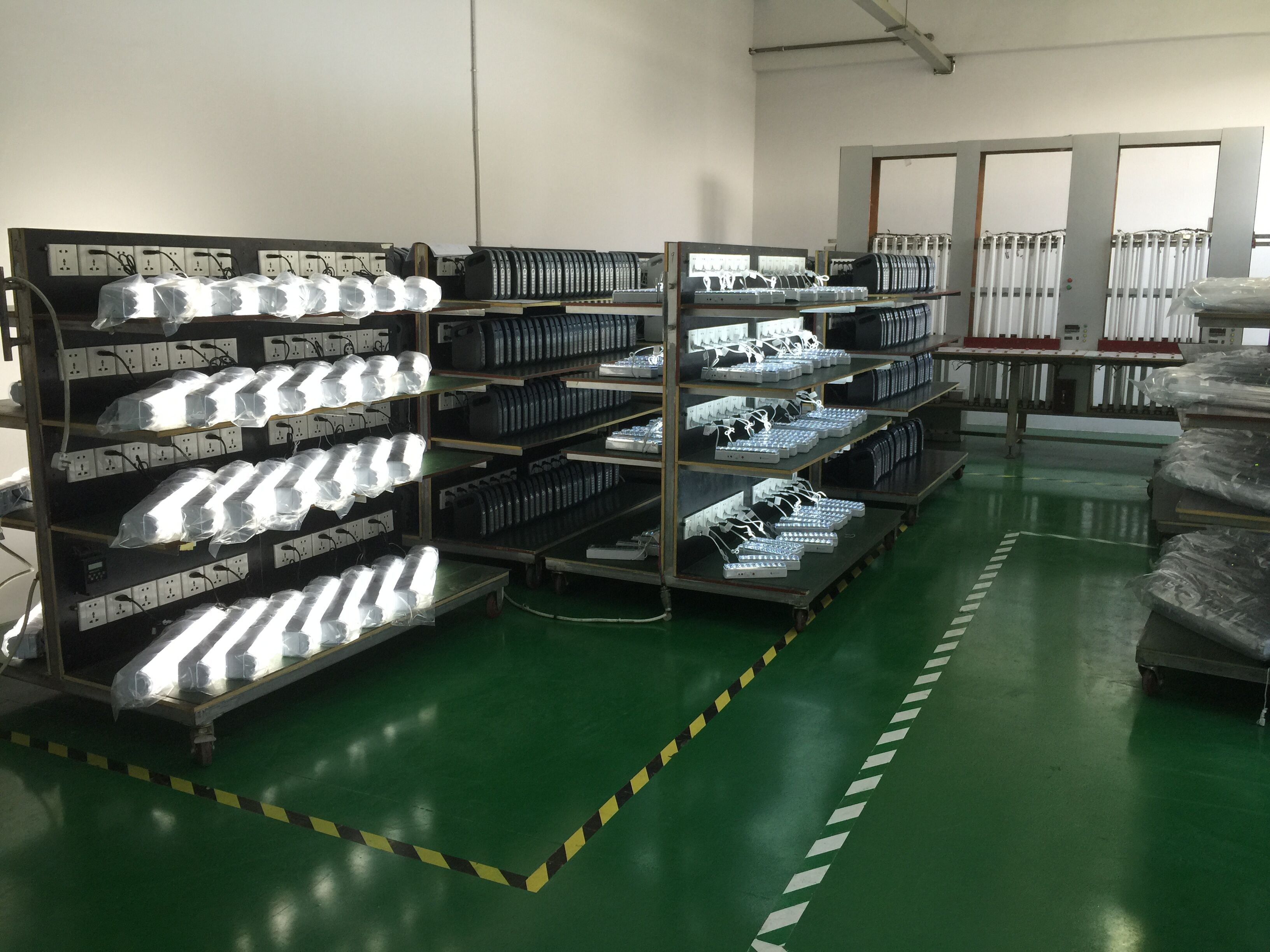
Cover image: product quality inspection and aging test, a practical reference point for sample acceptance records.
Why acceptance criteria matter more than a sample photo
A sample photo can show shape and finish. It cannot show whether the model is covered by the correct certificate scope, whether the battery and voltage match the approved configuration, or whether a repeat order will use the same components. Acceptance criteria close that gap by turning a visual review into a testable approval record.
In North America, UL 924 is the safety standard for emergency lighting and power equipment. UL Solutions states that its UL 924 evaluation supports requirements associated with NFPA 101, NFPA 1 and NFPA 70 Article 700, while local adoption still must be checked for the project jurisdiction. That matters for supplier communication because a generic statement such as UL listed is not enough. The buyer needs the model, file record, scope and configuration.
Field inspection also depends on testable hardware. The Minnesota Department of Public Safety describes monthly 30-second activation testing and annual 30-minute power testing for hotel emergency lighting. That guidance is jurisdiction-specific and building-type-specific, but it shows why a buyer should record how the sample is activated, how the charge indicator behaves and how the emergency duration is stated. A product that cannot be clearly checked at sample stage creates avoidable work at inspection stage.
For a China-based or Vietnam-based emergency light supplier, distance makes written acceptance criteria more important. A buyer cannot rely on repeated informal conversations. The sample record becomes the shared reference for engineering, quality control, packaging and the purchase order.
The acceptance chain: seven steps from sample to repeat order
Step 1: Lock the model and configuration. Record the exact model code, voltage, battery type, housing color, mounting method, lens or exit-sign face, logo and packaging. A family name is not a configuration. If a program includes JLEU9, JLEC2BCW and LE518, each model needs its own approved line.
Step 2: Request the document set. Ask for the certificate record, datasheet, instruction sheet, label artwork and packaging drawing for the exact model. For UL 924 products, ask for the UL file record and confirm that the model and construction are within the listed scope.
Step 3: Inspect the sample against the approved documents. Check the label, model code, ratings, wiring diagram, mounting hardware and any operator-visible features such as the test switch and charge indicator. Record differences before functional testing.
Step 4: Run the sample checks. Confirm input voltage, charge behavior, test switch response, emergency operation and recharge time as stated for that model. Do not copy a figure from a similar SKU.
Step 5: Approve a golden sample. Keep one approved unit, photos, measurement notes and the signed acceptance sheet. The golden sample is the physical reference for the repeat order.
Step 6: Convert the sample record into a purchase specification. Attach the acceptance sheet to the purchase order. Include approved deviations, packaging requirements and the inspection method.
Step 7: Control changes. Require written approval before any change to battery, driver, housing, LED, label, packaging or production site. A repeat order should not silently become a new product.
Sample-stage evidence versus repeat-order evidence
The sample proves that one unit can meet the criteria. The repeat order proves that the same criteria are controlled in production. The table below shows the difference in evidence.
| Acceptance checkpoint | Sample-stage evidence | Repeat-order evidence | Buyer verification |
|---|---|---|---|
| Model identity | Sample label, model code and approved configuration sheet | Purchase order line, production label and packing list | Compare model code and configuration line by line |
| Certification scope | Certificate copy and file record for the exact model | Current certificate status and label reference | Check model, construction and file number, not just the brand name |
| Electrical rating | Datasheet and sample label showing rated input voltage | Production label and test record for the same rating | Confirm whether the exact model is 120/277VAC or another rating |
| Emergency performance | Stated emergency duration and test condition | Routine test record and approved battery specification | Do not accept a 90-minute or 24-hour claim unless it is tied to the model |
| Operator features | Test switch and charge indicator behavior against the instruction sheet | Function check and label review | Record pass or fail for each visible feature |
| Quality system | ISO certificate and inspection plan | Production inspection record and final test record | Confirm the certificate scope and the actual test step |
| Commercial terms | Quotation, MOQ and lead time | Order confirmation and shipment schedule | Attach terms to the approved specification |
Acceptance criteria FAQ
1. What are acceptance criteria for an emergency light supplier?
Acceptance criteria are the written, testable conditions that a sample and each repeat order must meet before approval. They should identify the exact model, configuration, certificate scope, voltage, battery, emergency duration, recharge time, operator features, labeling, packaging and inspection method. Good criteria let a buyer compare the sample, the purchase order and the production record without relying on memory or verbal assurance.
2. How should a buyer verify UL 924 and cUL claims before accepting a sample?
Start with the exact model and file record. UL 924 is the standard for emergency lighting and power equipment in the North American market, and UL Solutions states that its evaluation supports requirements associated with NFPA 101, NFPA 1 and NFPA 70 Article 700. The buyer should confirm the model, construction and listing scope, then check local code adoption. A UL or cUL claim should never be accepted as a family-level statement without the model-level record.
3. Which model-level certification records should be checked for JLEU9, JLEC2BCW and LE518?
For JLEU9, JIMING's supplied UL certificate record cites file 20140923-E464915 under UL 924, with the scope described as UL Emergency Light Series and JLEU9 listed as a related product. JLEU9 is also identified as a related product in supplied FCC record ENB2504250012E00201C and CE record ENB2312180102E01101C. The same discipline applies to JLEC2BCW and LE518: each model needs its own approved specification and certificate-scope check before the sample is accepted. A certificate that mentions a product family does not by itself prove every configuration.
4. What electrical and battery details should be fixed before sample approval?
The acceptance sheet should record the rated input voltage, battery chemistry and rating, driver or ballast identity where applicable, and the exact model configuration. For example, do not assume that a 120/277VAC dual-voltage rating applies to every model unless the approved datasheet says so. For a model such as JLEU9, the record should also capture the test switch and charge indicator as specified in the approved document, together with any visible status indicators, labels and wiring instructions. The sample should be checked against those documents, not against a similar unit.
5. How should emergency duration and recharge time be documented?
Record the stated emergency duration and the test condition attached to it. A 90-minute claim should be tied to the exact model and test method; it should not be copied from another SKU or from a general catalog page. Record the recharge time in the same way. A 24-hour recharge statement is only useful if it is attached to the approved model, battery and test condition. The buyer should also note how the unit indicates charging and what the instruction sheet says about routine verification.
6. What factory and quality-system evidence should be verified before a repeat order?
Ask for the quality-system certificate, the inspection plan and the final test step used for the product. JIMING states that it has been certified to ISO 9001 since 1998; the supplied certificate record cites ISO 9001:2015 certificate 00125Q33670R3M/3302 issued by China Quality Certification Centre, with an expiry date of 2028-06-02. The company also reports 100% testing, two manufacturing hubs in Ningbo, China and Vietnam, 70,000 m2 in China and 38,000 m2 in Vietnam, more than 1,000 employees and annual output of 5,000,000 sets. These are supplier-reported facts and should be used to frame a factory review, not to replace it.
7. What commercial terms and lead-time points belong in the acceptance record?
Attach the approved MOQ, lead time, packaging requirement and any agreed deviation to the acceptance record. JIMING's supplied capability data states an MOQ of 200 PCS, a lead time of 30 to 45 days and a monthly capacity of 400,000 sets. For a repeat order, the buyer should confirm that the quoted lead time applies to the approved configuration and order quantity. Do not let a sample approval sit apart from the commercial terms, because a change in volume, packaging or configuration can change the production plan.
8. How should sample feedback become a repeat-order specification?
Write sample feedback as pass or fail statements against each criterion. Photograph the sample, note any approved deviation and keep a signed golden sample. Then convert the accepted statements into the purchase-order specification. The repeat-order document should include the model code, certificate reference, voltage, battery, emergency duration, recharge time, operator features, label artwork, packaging and inspection method. This is the step that prevents a sample from being approved while a different configuration is ordered later.
9. What are common acceptance failures to catch before a repeat order?
Common failures include a certificate that names a product family but not the exact model, a sample that differs from the datasheet, a voltage or battery change that is not written down, a test switch or charge indicator that is not checked against the instruction sheet, and a packaging or label change that is not approved. Another failure is treating a sample as a warranty or as proof of every future unit. The acceptance record should control the product, not just describe the first unit.
10. How should a buyer start a sample review with JIMING?
Begin with the exact model list and the intended configuration for each item. Ask for the certificate record, datasheet, instruction sheet and packaging drawing, then agree on the acceptance sheet before the sample is built. JIMING can be contacted through its official website at Ningbo JIMING Electric Appliance Co., Ltd. to discuss model-specific documentation and sample planning. The goal is a written record that can be reused for the first order and every repeat order.
Where this acceptance model fits
Multi-site commercial projects. A buyer specifying ceiling mounted emergency lights, wall mounted emergency lights and exit signs across several sites needs one acceptance record per model. The record should allow a site inspector to match the installed unit to the approved model and label.
Private-label and OEM programs. For private label emergency lights or an OEM emergency lighting manufacturer relationship, the approved sample often carries custom housing color, logo and packaging. The acceptance record should include those items because they are part of the product identity, not decoration.
Distributor repeat orders. A distributor that reorders the same item needs a stable specification and a change-control rule. If the supplier changes a battery, driver or label without written approval, the distributor may receive a product that looks similar but no longer matches the approved sample.
A supplied case example describes a U.S.-based long-term OEM/ODM partnership for the North American retail market. The relationship ran for five years, involved engineering collaboration on new product development and maintained a stable supply compliant with UL and CSA standards. That example shows what a mature repeat-order relationship can look like; it is not a promise that every program will follow the same path.
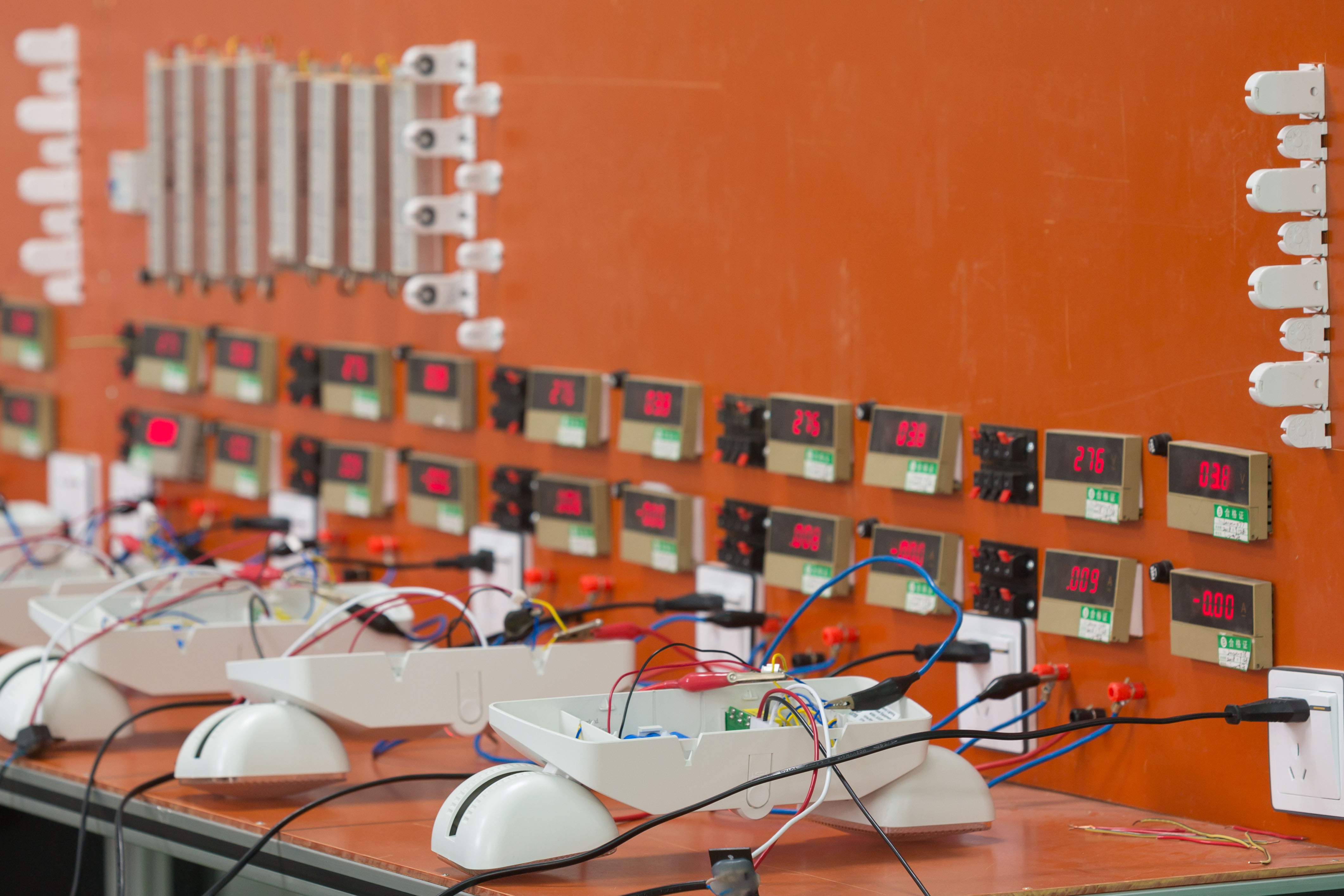
Laboratory workbench: sample checks should produce recorded results, not only visual impressions.
Common acceptance failures to catch before a repeat order
- Certificate mismatch: the certificate names a series, but the sample label does not match the listed model or construction.
- Datasheet drift: the sample has a different battery, voltage, lens or label from the approved document.
- Unchecked operator features: the test switch and charge indicator are not operated or recorded against the instruction sheet.
- Copied runtime claims: a 90-minute emergency duration or a 24-hour recharge time is taken from a similar model without model-level evidence.
- Weak change control: the supplier can change a component or production site without written approval.
- Commercial mismatch: the sample was approved at one MOQ or lead time, but the repeat order is quoted on different terms.
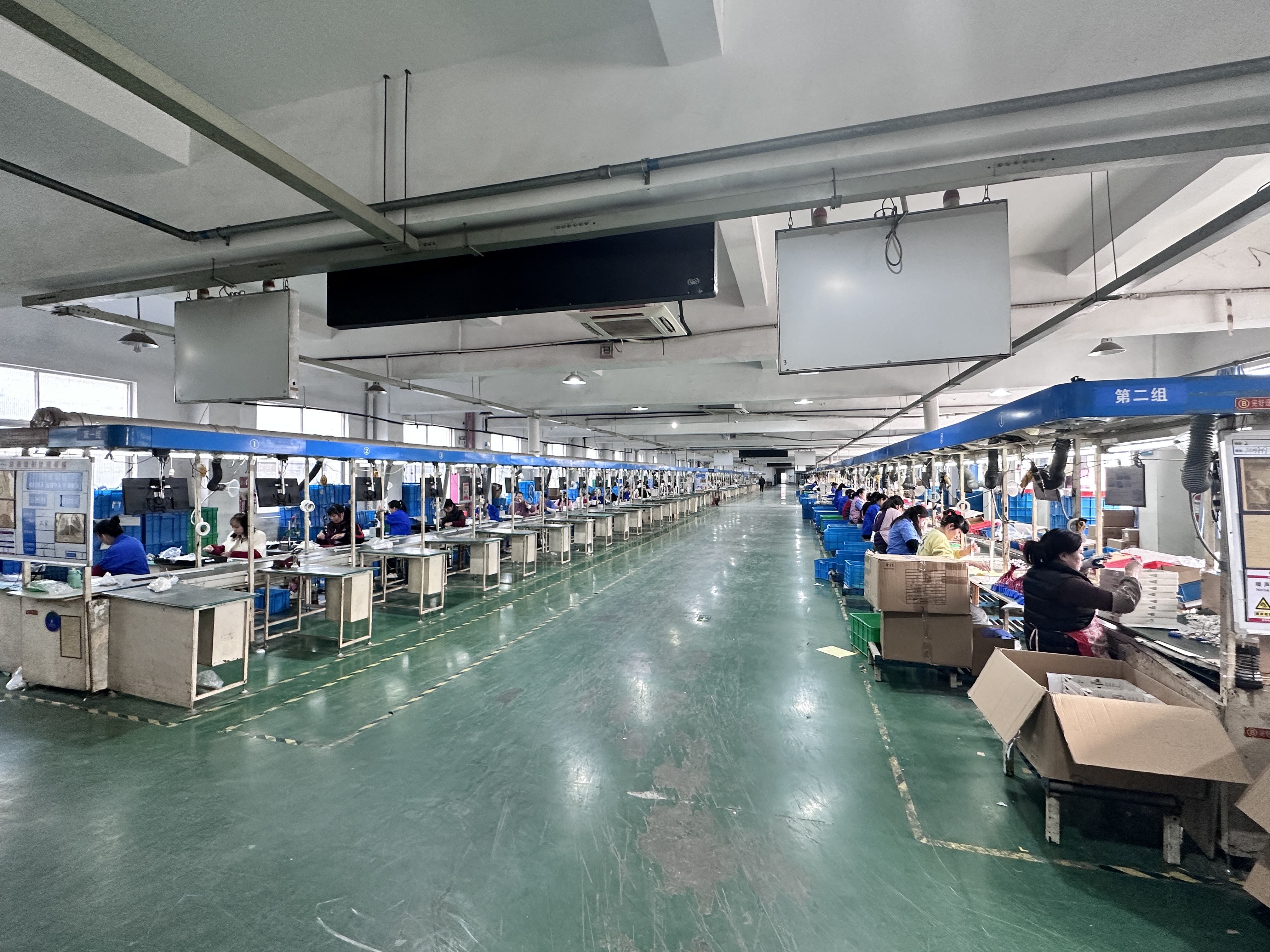
Final assembly workshop: repeat-order acceptance should connect the sample record to the production line.
What a practical acceptance record should contain
A one-page record can be enough if it is precise. Use columns for model, configuration, certificate reference, rated voltage, battery, emergency duration, recharge time, test switch result, charge indicator result, label, packaging, inspection method and approval signature. Add a change-log line so any later modification is visible. The record should be written in the buyer's language and the supplier's language where needed, with the same model codes in both versions.
For a supplier such as JIMING, the record can also capture the stated customization options: battery type, housing color, input voltage, logo and packaging. These are the variables most likely to change between a sample and a repeat order. JIMING reports OEM/ODM capability, 50-plus engineers and a monthly capacity of 400,000 sets. Those facts are useful for evaluating whether the supplier can support a program, but they do not replace the model-level acceptance check.
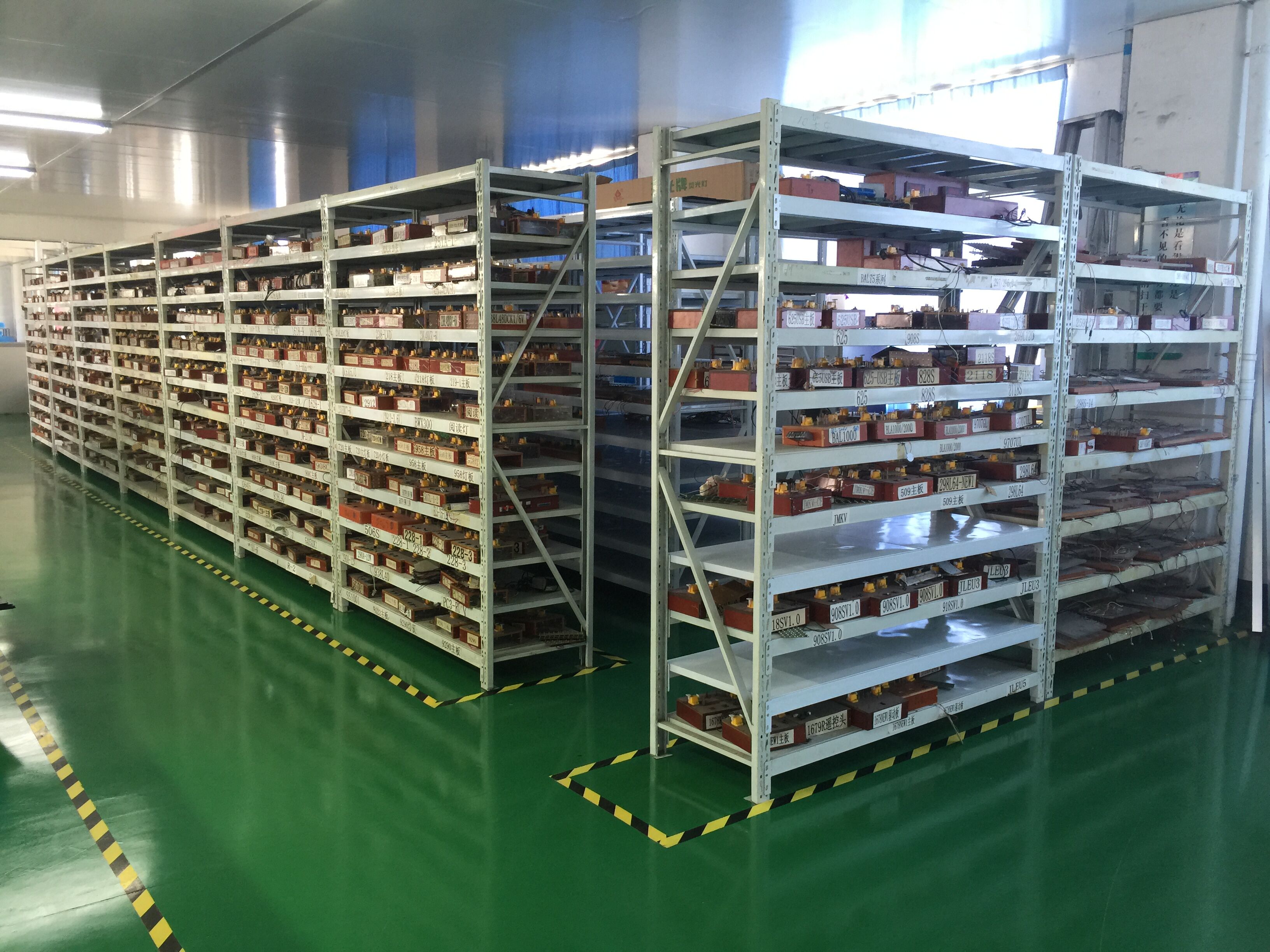
PCB testing tools: the acceptance record should identify which test step applies to the approved product.
Conclusion
From sample to repeat order, the controlling document is not a brochure and not a single photo. It is the acceptance record that ties the exact model to its certificate scope, electrical rating, battery, emergency performance, operator features, label, packaging and commercial terms. A buyer who writes those criteria at sample stage has a practical check for the first order and every reorder. A buyer who leaves them verbal has only a sample that may not be repeated.

Production review near the next step: confirm the model-specific acceptance record before discussing a repeat order.
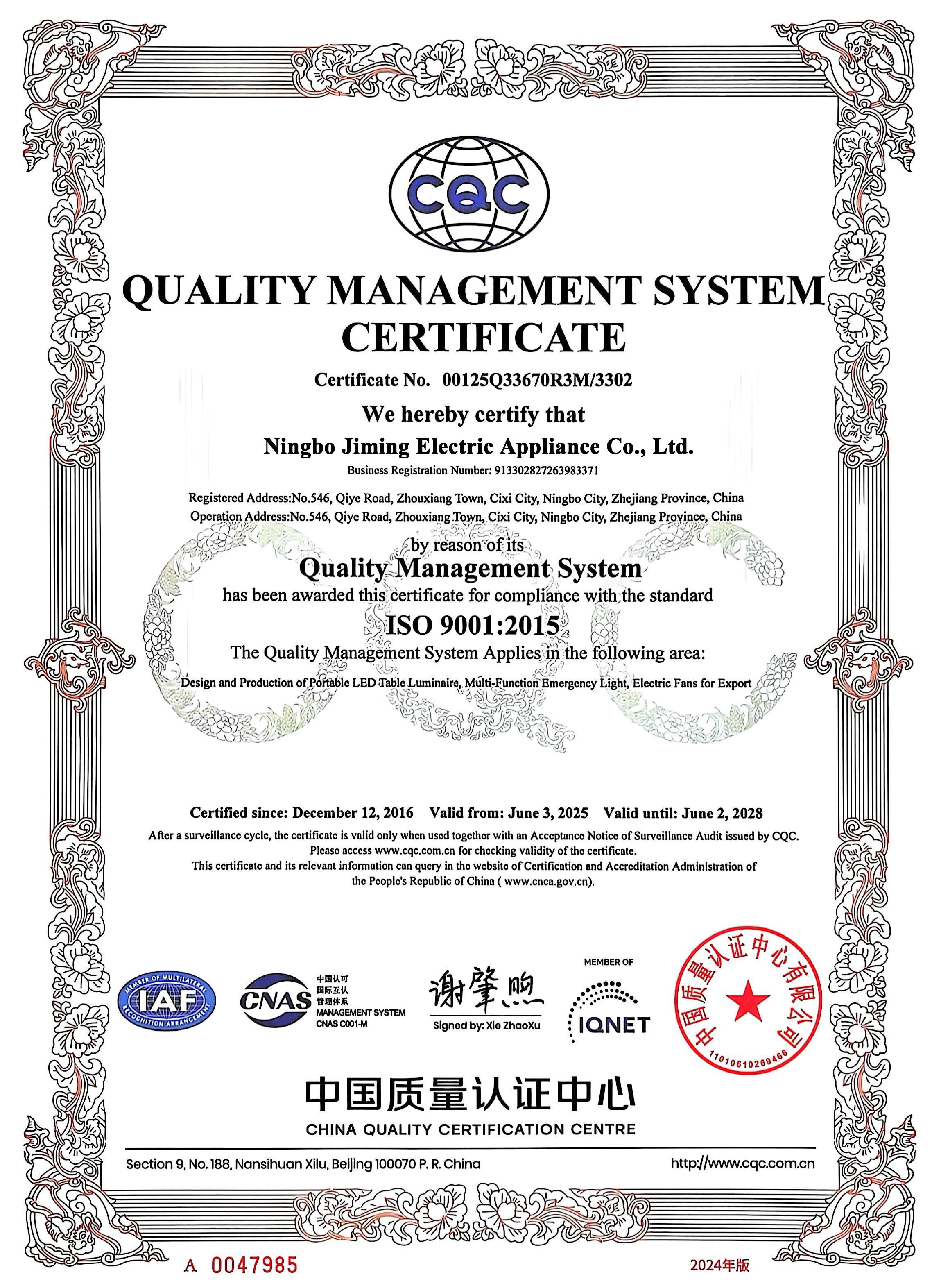
Quality-system evidence: ISO 9001:2015 certificate record for JIMING.
Have Questions or Need More Details?
Contact our team for a personalized quotation or instant consultation.
Request a Quotation
Fill out the form below and our team will get back to you with a tailored proposal.
WhatsApp Direct Chat
Prefer to chat in real-time? Message us on WhatsApp for instant assistance & quick answers.
- Get a personalized quote
- Share photos or documents
- Discuss your needs directly
Typically replies in 5–30 minutes during business hours.