Selecting the Right Emergency Lighting Supplier: A 2026 Vertical Procurement Guide for Building Safety Compliance
1. Industry-Specific Requirements for Emergency Lighting
Procurement professionals sourcing emergency lighting for commercial or industrial projects must navigate a landscape of strict safety codes and performance standards. In North America, buildings must comply with NFPA 101 (Life Safety Code) and UL 924, which mandate that emergency lighting systems provide illumination for a minimum of 90 minutes during power outages. Exit signs must be clearly visible, and the entire system must be listed by a recognized testing laboratory such as UL. For wet or damp locations, additional IP ratings (e.g., IP65) become necessary, and in many jurisdictions, flame-retardant materials are required to prevent fire spread. These requirements directly impact supplier selection, as only manufacturers with proven compliance expertise can deliver reliable, code-compliant products.
2. Three Essential Capabilities of a Specialized Emergency Lighting Supplier
When evaluating potential emergency light suppliers, buyers should look beyond basic price comparisons. The following three competencies define a partner capable of meeting the demands of modern building safety:
a) Industry-Specific Customization Experience
Suppliers with a long track record of OEM/ODM partnerships for internationally recognized brands understand how to translate safety standards into production-ready designs. For example, a manufacturer that has worked with a North American brand for over five years (as in the case study below) can offer tailored features such as specific battery chemistries, housing colors, or input voltage ranges without sacrificing compliance.
b) Comprehensive Certifications and Compliance
A qualified supplier must hold valid certifications for key target markets. For the U.S. and Canada, UL 924 listing is non-negotiable. Additionally, certifications such as FCC (for electromagnetic interference), CE (for European markets), and ISO 9001:2015 (for quality management) demonstrate a systematic approach to compliance. For example, the UL emergency light series model JLEU9 is UL listed under file number E464915, and the housing material carries a UL 94V-0 flame rating, ensuring fire safety.
c) Robust Design for Harsh Environments
Emergency lighting must function reliably in extreme conditions. Key design features include wide input voltage tolerance (e.g., 120/277VAC dual voltage operation), wide operating temperature range (0°C to 40°C for indoor damp locations, or higher for specialty models), and corrosion-resistant materials. The JLEU9, for instance, is built with a thermoplastic ABS housing rated UL 94V-0 and is suitable for indoor damp locations. For outdoor or wet areas, models like the LE518 bulkhead emergency light offer IP65 protection and use clear polycarbonate diffusers.
3. Case Study: A Chinese Supplier Delivering North American-Compliant Solutions
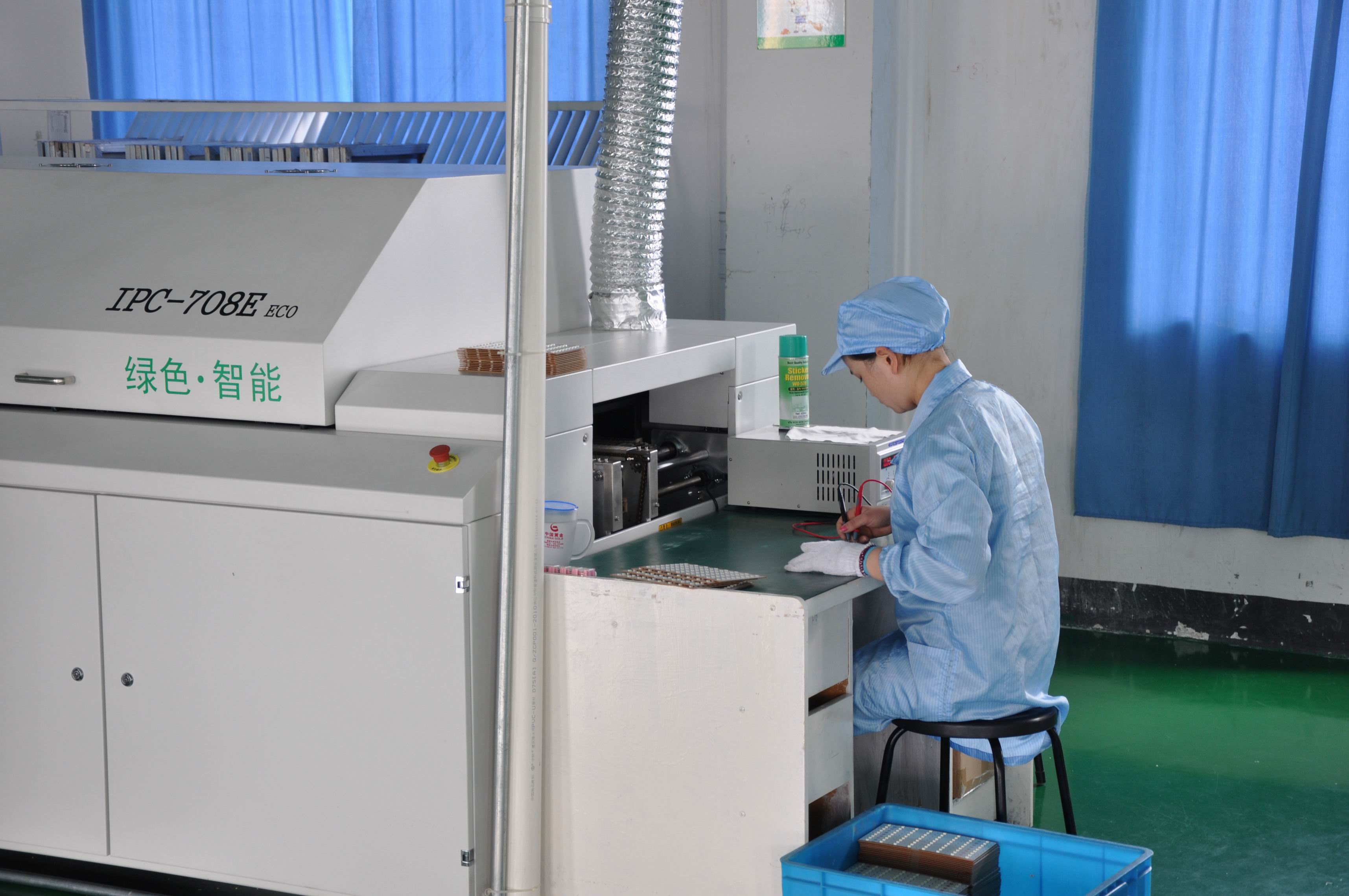
To illustrate how the above criteria translate into real-world value, consider the long-standing partnership between Ningbo JIMING Electric Appliance Co., Ltd. (a dedicated emergency lighting specialist since 1967) and an internationally recognized brand based in the United States. Over a five-year OEM/ODM collaboration, JIMING supplied UL/CSA-compliant emergency lights, exit signs, and combo units for the North American retail market. The engineering teams worked closely to develop new product specifications, including the dual-voltage JLEC2BCW emergency exit sign combo that features 2×8 ultra-bright 2835 SMT LEDs for emergency mode. The products were validated through rigorous real-world use, and the partnership was sustained by JIMING’s vertically integrated manufacturing—covering injection molding, PCB design, and final assembly under one roof. This case demonstrates that a supplier with deep specialization and proven export experience can meet demanding compliance requirements while maintaining cost efficiency.
4. Key Cooperation Points for Procurement Success
To maximize the value of a supplier relationship, buyers should observe the following best practices:
- Clearly define applicable standards: Specify which certification marks are required (e.g., UL, cUL, CE, FCC) and any local code variations. Suppliers should be able to provide valid certificates and test reports.
- Request site or product samples for evaluation: For projects with unique installation environments, ask the supplier to recommend models based on actual conditions (e.g., wall mount vs. ceiling mount, damp vs. wet location). A supplier with in-house engineering support can offer valuable insights.
- Establish an emergency response plan: Ensure the supplier has a clear after-sales protocol. For example, JIMING commits to a professional response within 24 hours for inquiries, with priority handling for urgent issues. Verify that spare parts (batteries, LED modules) are readily available.
- Leverage dual-sourcing for supply chain resilience: Suppliers with multiple manufacturing bases—such as JIMING’s factories in Ningbo, China (70,000 m²) and Haiphong, Vietnam (38,000 m²)—can mitigate regional disruptions and offer flexible shipping origins, a significant advantage in today’s volatile logistics environment.
Conclusion
Selecting an emergency lighting supplier for building safety compliance requires a strategic approach that goes beyond price lists. By focusing on industry-specific experience, verifiable certifications, and robust engineering, procurement professionals can identify partners who will deliver reliable, code-compliant products for years to come. Suppliers like JIMING, with over 50 years of specialization, dual manufacturing hubs, and a proven track record of OEM/ODM partnerships with North American brands, represent a strong option for buyers seeking both quality and supply chain security.
This guide is based on publicly available technical specifications and case study data provided by the manufacturer. Always verify current certification status directly with the supplier.
Have Questions or Need More Details?
Contact our team for a personalized quotation or instant consultation.
Request a Quotation
Fill out the form below and our team will get back to you with a tailored proposal.
WhatsApp Direct Chat
Prefer to chat in real-time? Message us on WhatsApp for instant assistance & quick answers.
- Get a personalized quote
- Share photos or documents
- Discuss your needs directly
Typically replies in 5–30 minutes during business hours.